Why Fish Knife Provides Precision Cutting
Why Every Fishermen Should Get a Professional-Grade Fish Filleting Knife
Every fisherman recognizes the significance of a dependable fish filleting knife. A keen, well-designed knife not only enhances the productivity of preparing a catch but also preserves the quality of the meat. Essential characteristics such as blade flexibility and comfortable handles add to both safety and effectiveness. Yet, many overlook the specific types and maintenance routines that can elevate their filleting experience. Comprehending these elements can lead to better results on the water.
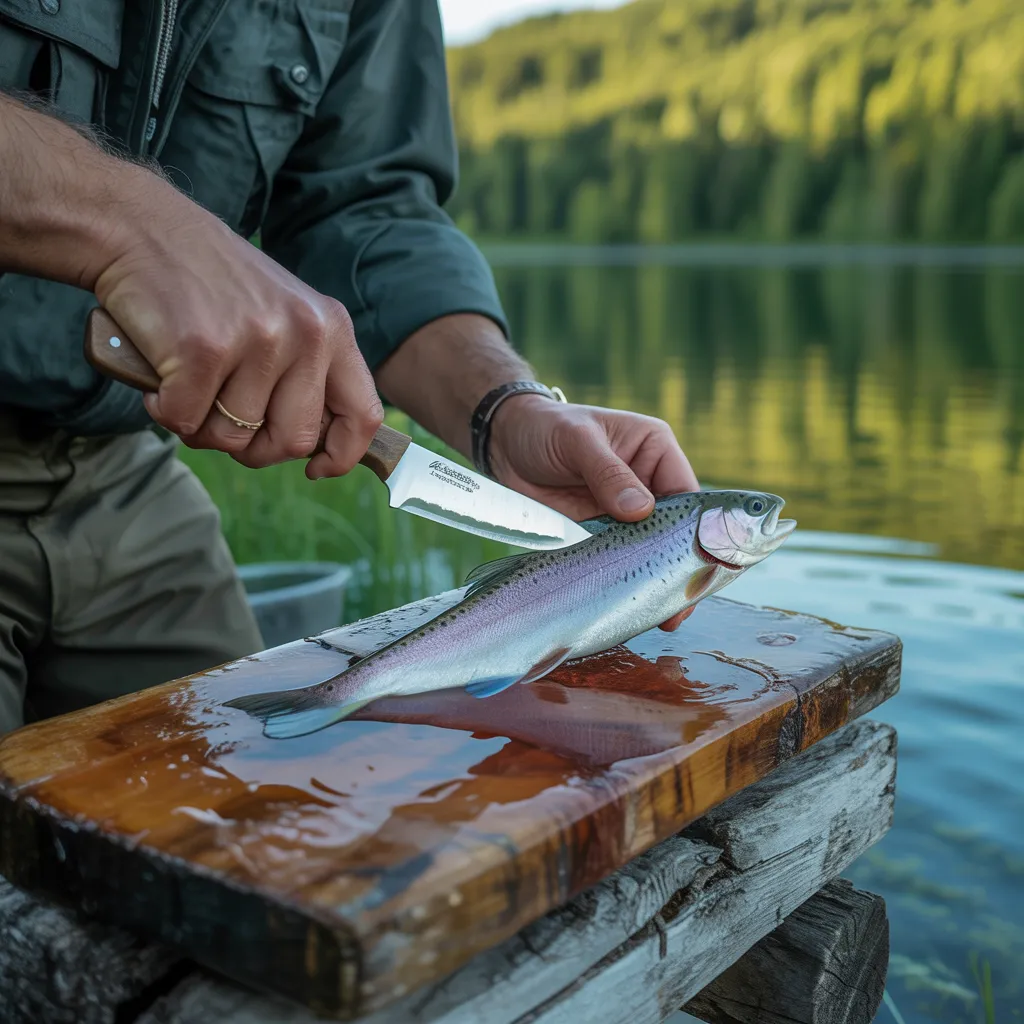
The Value of a Keen-edged Filleting Knife for Fish Enthusiasts
A sharp fillet knife is essential for fishers seeking efficiency and accuracy in their fish preparation. The act of filleting fish requires not only skill but also the proper equipment, with a sharp blade being paramount. A properly sharpened knife enables for precise slicing, reducing waste informative guide and maintaining the quality of the meat. This is especially essential when preparing fish for culinary use or storage, as blunt knives can result in tearing rather than slicing, leading to a less attractive presentation.
Moreover, the time spent filleting can be significantly shortened with a sharp knife, allowing anglers to quickly handle their catch and get back to fishing or having a good time. Safety also counts; a sharp knife minimizes the need for strong force, lowering the risk of accidents. Thus, acquiring a reliable sharp filleting knife is not just about convenience but is a vital part of responsible and efficient fishing techniques.
Essential Characteristics of an Effective Filleting Knife
An effective filleting knife necessitates thoughtful consideration of several crucial features to guarantee peak performance. First, the blade's composition is critical; stainless steel provides corrosion protection and durability, while high-carbon steel can deliver superior sharpness. A supple blade is also vital, as it allows for accuracy when navigating the contours of fish bodies.
The cutting edge dimension typically spans six to nine inches, maintaining equilibrium between control and reach. A ergonomic grip is another key aspect, guaranteeing a firm hold, even in wet conditions. Furthermore, a complete tang design enhances strength and stability, providing improved control during use.
Weight is significant as well; a featherweight blade can cut down on exhaustion during prolonged filleting work. Finally, straightforwardness of upkeep should not be overlooked, as a knife that is easy to sharpen and clean will maintain its performance over time.
Distinct Kinds of Filleting Knives and Their Intended Uses
Assorted types of filleting knives meet various requirements in fish preparation. Flexible blade choices and appropriate knife proportions enhance accuracy and direction, while comfortable handles guarantee ease during extended use. Knowing these aspects can profoundly improve the filleting journey.
Flexible Blade Selections
Numerous filleting knives are accessible, each developed with distinct blade characteristics to enhance the fish handling process. Bendable blade selections, often made from high-quality stainless steel, enable for greater maneuverability throughout bones and contours of the fish. These knives typically feature a thinner, more pliable blade that bends easily, making them ideal for refined filleting tasks. Anglers often prefer flexible blades for species with detailed body structures, such as trout or salmon, as these knives can glide smoothly along the flesh. In contrast, stiffer blades are more fitting for larger fish, where more force is demanded. Understanding the advantages of flexible blade options guarantees that anglers can decide the right knife for their unique filleting needs.
Blade Length Factors
What factors should fishers evaluate regarding blade length when choosing a filleting knife? Blade length greatly affects the knife's versatility and proficiency. Typically, filleting knives range from 6 to 10 inches, with shorter blades providing improved control for smaller fish, while longer blades are advantageous for larger species. A longer blade allows for smoother, more efficient cuts, especially when filleting larger fish. However, it may sacrifice precision in tighter spaces. Additionally, the thickness of the blade can determine flexibility; thinner blades often offer better maneuverability. Anglers should also consider the type of fish they commonly catch, as specific lengths cater to different species. Ultimately, picking the appropriate blade length is vital for achieving the best filleting results.
Manage Comfort Elements
Choosing the right filleting knife requires more than just blade length; handle comfort elements play an critical role in overall effectiveness. A well-designed handle can boost grip security and reduce hand fatigue during prolonged use. Common materials include rubber, wood, and synthetic composites, each offering distinct tactile experiences. Well-contoured forms support natural hand positioning, which is essential for precision tasks like filleting. Additionally, bumpy finishes can prevent slipping, particularly when the knife is wet. Some models even feature finger guards for added safety. Ultimately, a comfortable handle allows anglers to work successfully and confidently, ensuring high-quality fish preparation while limiting the risk of accidents. Consequently, handle comfort is essential to selecting an ideal filleting knife.
Why a Great Knife Produces Cleanup Less Difficult
A premium fish filleting knife can substantially enhance the cleanup process, as its sharp blade and ergonomic design lessen the mess created during filleting. The exactness of a finely made knife allows for clean, efficient cuts, reducing the likelihood of scales and entrails scattering across the workspace. This minimizes the time spent cleaning up after the task is complete.
Furthermore, many filleting knives are crafted with substances that are easy to clean, resisting rust and smells that can linger on lesser-quality blades. The light weight of these knives enables easy handling and control, allowing anglers to process fish quickly and accurately, thereby keeping any debris in one area. Ultimately, a premium fillet blade not only enhances the filleting process but also simplifies the subsequent cleaning, making it an essential tool for any angler dedicated to keeping a neat workspace.
Guidance on Maintaining Your Fish Filleting Knife
Maintaining a fish filleting knife is critical for ideal capability and durability. Regular honing provides a clean cut, while correct maintenance techniques help prevent oxidation and damage. Embracing these methods can substantially enhance the knife's effectiveness over time.
Consistent Edge Sharpening Timeline
While numerous professionals recognize the importance of a fine blade, instituting a regular sharpening schedule is indispensable for upholding the longevity and performance of a fish filleting knife. A consistent approach to sharpening not only preserves the knife's edge but also enhances the accuracy and ease of filleting. Preferably, anglers should gauge the blade's sharpness after each use and sharpen it as needed, hoping for a schedule that allows for restoration every few trips. Utilizing a whetstone or honing rod can help copyright the edge without removing excessive material. Additionally, noting specific conditions, such as the types of fish filleted or the frequency of use, can inform when sharpening is necessary. This proactive care ultimately contributes to a more efficient and satisfying fishing experience.
Appropriate Maintenance Practices
Once sharpening is completed, proper cleaning techniques play a vital role in the care of a fish filleting knife. To preserve longevity and performance, anglers should rinse the knife immediately after use to remove any fish residue. Using warm, soapy water and a soft sponge is advised; abrasive materials may scratch the blade. It is important to avoid soaking the knife, because prolonged exposure to water can result in rust. After cleaning, the knife should be dried thoroughly with a soft cloth. Additionally, applying a light coat of mineral oil helps protect the blade from moisture. Regular inspection for signs of wear or damage is also prudent, as it aids in maintaining the knife’s effectiveness and safety during use.
Using Your Filleting Knife Safely with Correct Method
Using a fillet knife safely is key for both efficiency and injury prevention in the kitchen. Proper handle is necessary; the handle should be held securely while allowing the blade to move freely. Anglers must make certain their workspace is free of clutter and adequately lit to minimize risks. It is preferred to use a cutting board that provides stability, preventing slips that could lead to accidents.
When preparing fish, the blade should always be pointed away from the body to reduce the chance of cuts. Additionally, using cut-resistant gloves can provide an extra layer of safety. Regularly sharpening the knife enhances control and reduces the effort needed, thereby lowering the risk of accidents.
Consistently keep the knife in a appropriate protective container, preventing access by children and pets. Adhering to these safety measures will lead to a more enjoyable and secure filleting experience.
Best Filleting Knives for All Angler
Choosing the right filleting knife can greatly enhance an fisherman's efficiency and experience in processing fish. For newcomers, a adaptable option like the Rapala Classic Fillet Knife provides a ideal balance of durability and flexibility, making it fitting for various species. Intermediate anglers may opt for the Dexter-Russell Fillet Knife, recognized for its ergonomic handle and quality steel blade, offering superior precision. For professional anglers, the Wüsthof Classic Fillet Knife shines for its remarkable artistry and ultra-sharp point, allowing for precise cuts.
Electric fillet knives, such as the Bubba Cordless Electric Fillet Knife, accommodate those looking for speed and convenience, particularly with larger catches. Ultimately, the finest fillet knife differs based on individual needs, preferences, and the types of fish being prepared. Investing in a high-quality fillet knife not only improves efficiency but also enhances the complete angling experience.
Frequently Asked Questions
What's the Best Way to Choose the Ideal Size Filleting Knife for My Needs?
Determining the ideal scale filleting knife demands reflecting on the fish types you typically catch, your favorite cutting techniques, and your individual comfort. A longer blade works best larger fish, while a smaller blade gives exactness for smaller species.
Can a Filleting Knife Be Used for Different Kinds of Fish?
Yes, a filleting knife can be utilized for many types of fish. Its bendable blade and sharp edge make it appropriate for multiple species, boosting filleting speed and ensuring precise cuts independent of fish size.
What Constitutes the Ideal Approach for Storing My Filleting Knife?
The superior way to preserve a filleting knife is in a protective sheath or a designated storage block. Ensuring it dry and isolated from moisture avoids rust, while a locked area guarantees safety and knife durability.
How Frequently Should I Change My Filleting Knife?
A filleting knife should be updated every one to three years, taking into account usage and care. Routine honing and suitable handling can extend its lifespan, but performance decline indicates it's necessary to replace it.
Should You Spend in Costly Filleting Knives for the Value?
Costly filleting knives often justify their cost through superior materials, quality craftsmanship, and durability. Fishermen may find that these characteristics enhance their experience, producing improved performance and longevity, making the expenditure worthwhile for serious anglers.